Allergic reaction to dogs: symptoms, causes and how to treat
In this page you will find information about:
For many, dogs are beloved companions, but for some, they can also be a source of discomfort due to allergies. Contrary to popular belief, allergic reactions to dogs are not caused by their hair. Proteins found in dog dander, saliva, and even urine are the real culprits. These allergens can trigger symptoms ranging from mild sneezing and itchy eyes to more severe respiratory issues like asthma.1
Pet allergies are quite common, affecting millions of people in the United States and contributing to the global rise in allergic diseases. It is estimated that up to 30 percent of individuals with allergies have a reaction to cats or dogs.2
In this article, we’ll explore allergic reactions to dogs, signs and symptoms of allergy to dogs, and how to manage dog allergies effectively. Whether you’re dealing with mild symptoms or more severe reactions, there are ways to find relief.
What causes dog allergies?
While many assume allergic reaction to dog hair is the main cause of dog allergies, the primary allergen is actually found in saliva. When dogs lick their fur, saliva dries and flakes off, becoming airborne. Dog allergens are small and lightweight and can remain airborne for long periods. They settle on furniture, carpets, and clothing, making them difficult to avoid. Even if a dog isn’t present, allergens can linger in the environment and cling to people’s clothes, increasing the risk of exposure.2
A common belief is that certain dog breeds are “hypoallergenic,” but the truth is that all dogs produce allergens. The specific levels and types of allergens can differ from one dog to another, which is why some people might tolerate certain dogs better than others. However, this variation is not tied to a dog's breed, mix, or gender. No dog is truly allergen-free.2
While an allergic reaction to dogs can develop at any age, a family history of allergies can increase the likelihood. People do not inherit an allergy to a specific substance, but rather a general tendency toward developing them.2
What does an allergic reaction to a dog look like?
The symptoms of a dog allergy can vary widely depending on the individual’s sensitivity and level of exposure. For some, symptoms appear within minutes, while for others, they may take hours or even days to develop.1
The impact of these symptoms can range from mild irritation to significant disruptions in daily life, often affecting sleep quality and energy levels. Pet allergy symptoms generally fall into three main categories, though in rare cases, a more severe reaction can occur.
Common reactions include:
- Nose and eye symptoms
- Skin symptoms
- Respiratory symptoms2
Signs of allergies to dogs in adults and children
The signs of a dog allergy can be persistent and noticeable, often appearing shortly after interacting with a dog or being in a home where a dog lives. These symptoms can be similar for both adults and children, and the first signs often include:
- Frequent sneezing, especially around dogs
- An itchy throat or nose
- Skin irritation or rash after touching a dog
- Worsening asthma symptoms
- Sleep disturbances due to nasal congestion1
Allergic reaction to dogs symptoms
Dog allergies typically affect the nose, eyes, skin, and respiratory system. Here’s a breakdown of common symptoms:
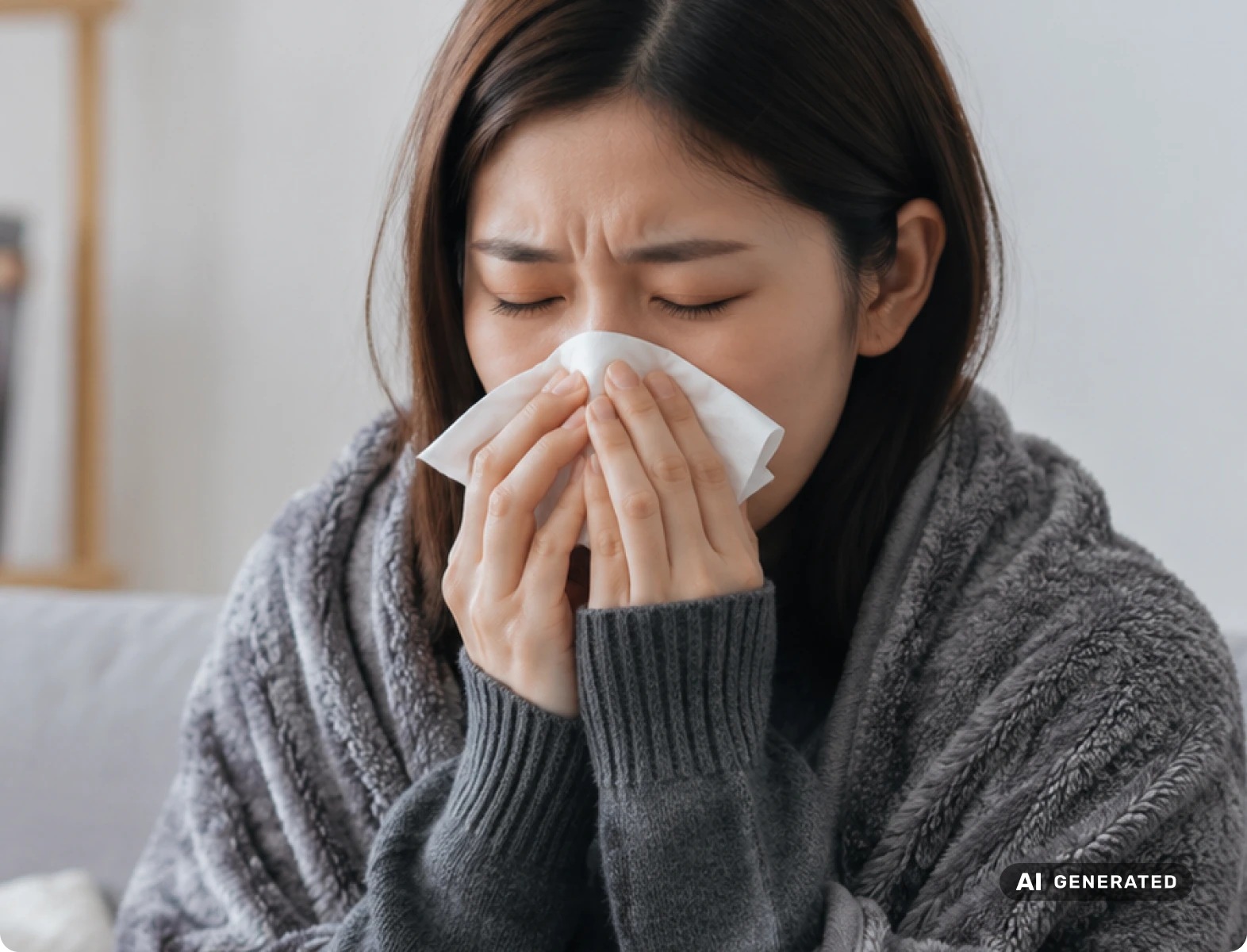
Nose and eye symptoms
Nose and eye reactions to dog allergies include:
- Sneezing
- Runny or stuffy nose
- Red, itchy, or watery eyes
- Itchy throat or roof of the mouth2
Skin reactions
Skin reactions to dog allergies include:
- Dry, itchy skin
- Hives
- Eczema
- Rashes after contact with a dog2
Severe allergic reactions
In extreme cases, a severe allergy reaction can occur. If you notice any of the following symptoms, seek medical help urgently:
- Breathing difficulties
- Swelling
- Shock 2

How to treat dog allergies?
Dog allergies can be challenging, especially when symptoms interfere with daily comfort. Fortunately, effective treatments are available to manage dog allergies and improve your quality of life. Whether your symptoms are mild or severe, taking the right steps can help you enjoy time around dogs with less discomfort. Let's explore several methods for relieving dog allergy symptoms, from medication and immunotherapy to practical lifestyle adjustments.
Allergy to dogs medication
If you suspect a dog allergy, speaking with a healthcare provider is a good first step. They may recommend dog allergy medications, including:
Over-the-counter antihistamine pills
Nasal antihistamines or corticosteroids to reduce inflammation
Asthma inhalers for respiratory issues
Allergy shots (immunotherapy) for long-term relief 1
Xyzal® Allergy 24HR Allergy Relief is an oral antihistamine that’s available over the counter to provide effective relief from dog allergies. When taken at night, it works for 24 hours without fading, relieving most symptoms from common indoor and outdoor allergens.
How to treat dog allergic reaction at home
While medication is a key part of managing allergies, simple changes at home can also make a significant difference in your daily comfort. Although these steps cannot cure an allergy, they can help reduce exposure to dander and lessen the severity of your symptoms:
-
Clean your home regularly: Dander can settle, clinging to carpets and curtains. Clean regularly to reduce dog dander build up and use a vacuum with a HEPA filter.
-
Filter the air: This will help to remove airborne allergens—make sure to clean and replace air filters frequently to reduce recirculating trapped allergens.
-
Set boundaries: Set 'dog free' zones in your house, keeping dogs out of bedrooms and off furniture to minimize exposure.
-
Adjust your dog’s diet: Some diets can improve your dog’s skin health, potentially reducing dander.3
When to speak to a doctor
If your symptoms feel severe, including constant wheezing, ongoing nasal congestion, or sleep disruptions, it is wise to consult a healthcare professional. It is important to seek emergency care if you experience breathing difficulties that worsen quickly or happen with very little activity.4
FAQs about allergic reactions to dogs
Yes, at any point, the immune system can create unique proteins called antibodies that learn to recognize and respond to a specific allergen, even one you have been around for your entire life.2
No breed is completely hypoallergenic. All dogs produce allergens, however some individuals may tolerate certain dogs better than others.2
The primary allergen comes from proteins found in saliva, dander, and hair. However, dander and urine can also contribute to allergic reactions.2
While some children may outgrow dog allergies, most cases persist into adulthood. Factors like genetics and exposure levels can influence whether symptoms lessen over time.5
Sources:
- Cleveland Clinic. Pet allergies: causes, symptoms, treatment & prevention [Internet]. Cleveland (OH): Cleveland Clinic; 2025 May 21 [cited 2026 May 5]. Available from: https://my.clevelandclinic.org/health/diseases/17702-pet-allergies#management-and-treatment
- The Ohio State University College of Veterinary Medicine. Allergic to your dog? Easy tips to prevent and control your allergy [Internet]. Columbus (OH): Ohio State University; [cited 2026 May 5]. Available from: https://vet.osu.edu/sites/default/files/documents/allergic%20to%20your%20dog.pdf
- Michelson Found Animals Foundation. Dealing with dog allergies [Internet]. Los Angeles (CA): Found Animals; [cited 2026 May 5]. Available from: https://www.foundanimals.org/dealing-dog-allergies/?gad_source=1&gad_campaignid=22852414535
- Mayo Clinic Staff. Pet allergy: symptoms & causes [Internet]. Rochester (MN): Mayo Clinic; 2025 Sep 5 [cited 2026 May 5]. Available from: https://www.mayoclinic.org/diseases-conditions/pet-allergy/symptoms-causes/syc-20352192#when-to-see-a-doctor
- LifeMD. Can you outgrow a dog allergy? [Internet]. New York (NY): LifeMD; [cited 2026 May 5]. Available from: https://www.lifemd.com/learn/can-you-outgrow-a-dog-allergy
Our Products
Xyzal® relieves tough allergy symptoms such as sneezing, itchy eyes, watery eyes, runny nose, itchy nose, and itchy throat. Take it at night for 24 hours of continuous allergy relief that won’t fade into the next day.
Xyzal® Allergy 24HR
Take Xyzal at night for 24 hours of continuous adult allergy relief that won't fade. Powerful allergy relief that's just as effective at hour 24 as at hour 1.
About Allergies
Learn how to get relief for allergies.