
Cat Allergies: Symptoms and Treatment
In this page you will find information about:
Cat allergies are a common challenge for many, affecting approximately 10–20% of adults worldwide.1 In fact, you’re more than twice as likely to be allergic to cats than dogs.2 For those who adore their feline companions, navigating these allergies can feel overwhelming. Understanding the causes, symptoms, and treatment options can help you take control and find relief.
What causes cat allergies?
Cat allergies stem from an immune system reaction to specific proteins found in a cat’s saliva and skin. The primary allergen, Fel d 1, is a sticky protein produced in the salivary and sebaceous glands. When cats groom themselves, this allergen spreads to their fur and, eventually, into the surrounding environment.1
Contrary to popular belief, it’s not the fur itself that triggers allergies but the allergens coating it. Fel d 1 is lightweight and easily becomes airborne, making it difficult to avoid. It can settle on furniture, walls, and clothing, persisting for months, even when the cat is no longer present.1
While all cats produce Fel d 1, the levels vary. Intact male cats tend to produce more of this allergen, while neutered males and females produce similar amounts. Unfortunately, no breed is truly hypoallergenic, despite efforts to create such cats through selective breeding.1
Cat allergy symptoms
Symptoms of a cat allergy can range from mild to severe. Cat allergy reactions often resemble those of a common cold or other respiratory illnesses. Common signs of a cat allergy include:
- Coughing
- Sneezing
- Itchy skin or hives
- Cat allergy skin rash
- Runny nose
- Nasal congestion
- Itchy, watery eyes
- Scratchy throat
These symptoms can also lead to fatigue, as nasal inflammation can make you feel tired. Congestion may also disrupt sleep, causing even more tiredness.2
How long do cat allergy symptoms last after exposure?
For most people, symptoms subside within a few hours after leaving the area where the cat allergen is present. However, more severe reactions may linger for several days. Taking steps like showering and washing clothes to remove traces of the allergen can help speed up recovery.2
How to test for cat allergies
If you suspect a cat allergy, consulting a healthcare provider is essential. They’ll review your medical history, assess symptoms, and may recommend one or more diagnostic tests:
- Blood (IgE) test: Measures the level of IgE antibodies in response to allergens.
- Skin prick (scratch) test: Introduces small amounts of allergens to the skin to check for reactions [Source: Cleveland Clinic Pet Allergies].
These cat allergy tests can help confirm whether cats are the source of your symptoms, so you can find the right cat allergy treatment options.2
Cat allergy treatment
Treatment for cat allergies typically involves a combination of cat allergy medication and lifestyle changes. The goal is to limit your exposure to allergens and reduce your body's allergic reaction. Medications can help control symptoms, while practical steps can reduce your allergen exposure and help to get rid of cat allergies naturally. Together, these strategies offer a way to manage cat allergies effectively and improve your quality of life.
Medication & antihistamines
Medications offer an effective way to manage cat allergy symptoms. Depending on the severity of your cat allergy, you can discuss options with a healthcare provider to help you determine which cat allergy medicine is right for your needs. Drugs for cat allergies include:
- Over-the-counter antihistamine pills: Provide general relief from allergy symptoms.2
- Nasal antihistamines: Reduce nasal inflammation and congestion.
- Nasal corticosteroids: Help manage swelling and irritation.
- Allergy shots (immunotherapy): A long-term solution that gradually reduces sensitivity to allergens.
Xyzal® Allergy 24HR Allergy Relief is an oral antihistamine that provides effective cat allergy relief, as well as relief from symptoms of other indoor and outdoor allergens. Designed to be taken at night, it keeps working through the night and all the next day to relieve most cat allergy symptoms.
How to get rid of cat allergies naturally
For those looking to complement their cat allergy treatment with lifestyle adjustments, the following practical steps can help reduce exposure to allergens. While these measures won’t eliminate allergens entirely, they can help reduce exposure and improve comfort:
Limit contact with cats: Avoid petting, hugging, or allowing cats on furniture.
Create pet-free zones: Designate areas, like bedrooms, where cats aren’t allowed.
Use HEPA filters: These can remove airborne allergens from your home.
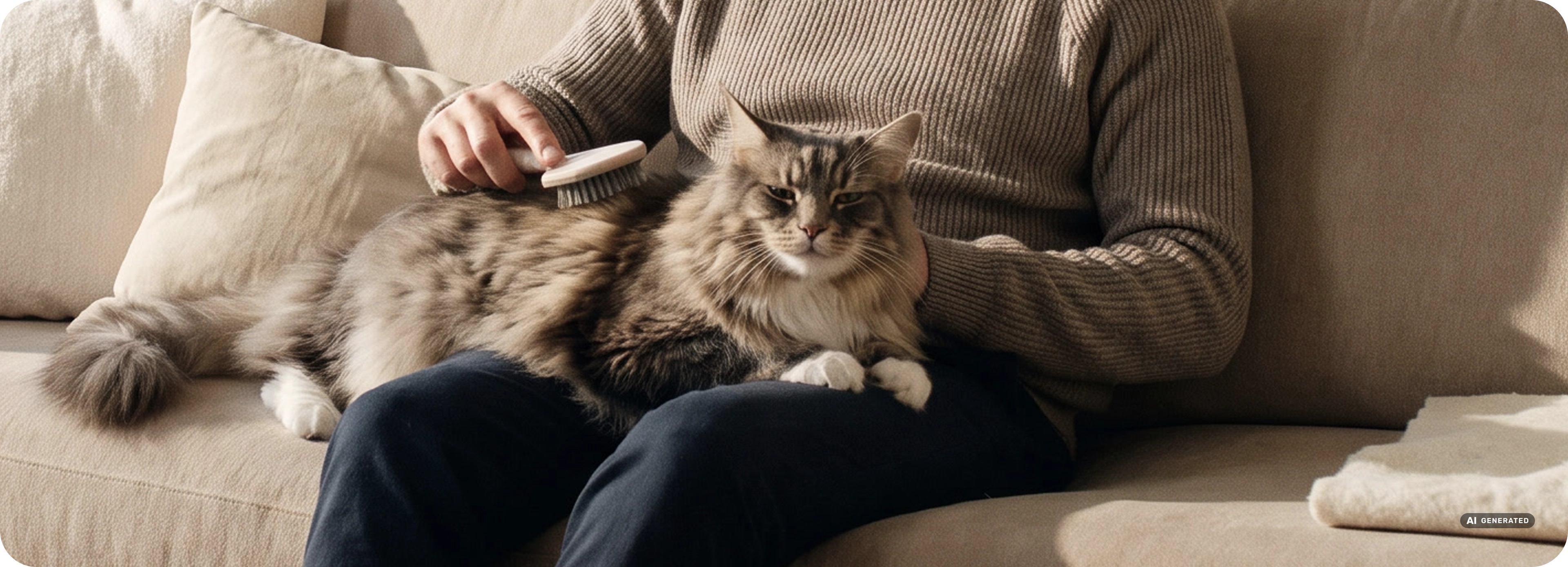
Regular grooming: Brush and bathe your cat frequently, ideally by someone without allergies.
Vacuum regularly: Use a vacuum with a microfilter to reduce allergens in carpets and rugs.2
When to go to a doctor
If you’re experiencing symptoms like itchy eyes, sneezing, or tiredness after exposure to cats, it’s worth checking if you've got a cat allergy.
Seek urgent medical care if you experience difficulty breathing or feel like you’re choking after exposure to cats
FAQs about cat allergies
Yes, it’s possible to develop cat allergies later in life, even if you’ve lived with cats for years without issues.3
Yes, using a high-efficiency particulate air (HEPA) filter can help manage cat allergies. These devices work by capturing and trapping airborne allergens like pet dander, which can reduce their overall concentration in a room and provide some relief from symptoms.2
While cat allergies aren’t inherited directly, a genetic predisposition combined with environmental factors can increase the likelihood of developing them.4
While it is possible for some people to outgrow allergies over time, the reasons why this happens are not yet fully understood by medical science. This change in allergic response can vary greatly from person to person.5
Whether or not an antihistamine is more effective if taken at night depends on the type used. Always check the label and use antihistamines as directed. Xyzal® Allergy 24 is designed to be taken at night, it relieves allergies while you sleep so you wake up refreshed and ready for the next day.
Sources:
- Allergy UK. Cat allergy factsheet. Allergy UK [Internet]. 2021 Jul 6 [cited 2026 Mar 23]. Available from: https://my.clevelandclinic.org/health/diseases/17702-pet-allergies
- Cleveland Clinic. Pet allergies: Causes, symptoms, treatment & prevention. Cleveland Clinic [Internet]. 2025 May 21 [cited 2026 Mar 23]. Available from: https://my.clevelandclinic.org/health/diseases/17702-pet-allergies
- North Shore Animal League America. Can you develop allergies to cats later in life? Animal League [Internet]. 2025 Dec 3 [cited 2026 Mar 23]. Available from: https://www.animalleague.org/blog/tips/life-with-pets/can-you-develop-allergies-to-cats-later-in-life/
- American Osteopathic Association. Combating cat allergies: How to tame reactions to furry friends. Find a DO [Internet]. [cited 2026 Mar 23]. Available from: https://findado.osteopathic.org/combating-cat-allergies-how-to-tame-reactions-to-furry-friends/
- Shmerling RH. Can you outgrow allergies? Live Science [Internet]. 2013 Aug 27 [cited 2026 Mar 23]. Available from: https://www.livescience.com/39257-outgrow-allergies-go-away.html
- Medical News Today. What causes allergies? Types, symptoms, and treatment options. Medical News Today [Internet]. 2023 Aug 22 [cited 2026 Mar 23]. Available from: https://www.medicalnewstoday.com/articles/321120
Our Products
Xyzal® relieves tough allergy symptoms such as sneezing, itchy eyes, watery eyes, runny nose, itchy nose, and itchy throat. Take it at night for 24 hours of continuous allergy relief that won’t fade into the next day.
Xyzal® Allergy 24HR
Take Xyzal at night for 24 hours of continuous adult allergy relief that won't fade. Powerful allergy relief that's just as effective at hour 24 as at hour 1.
About Allergies
Learn how to get relief for allergies.