Plant Allergies in Children: Symptoms, Causes and When to See a Doctor
Plant allergies in children can manifest in two primary ways: airborne pollen allergies caused by trees, grasses, and weeds, and contact allergies triggered by direct skin exposure to plant materials. While these allergies can cause discomfort, understanding their causes and symptoms can help parents manage them effectively. Identifying the type of allergy your child has is the first step toward relief.
What are plant allergies in children?
Plant allergies in children occur when a child’s immune system reacts to specific substances from plants. These reactions can be categorized into two types:

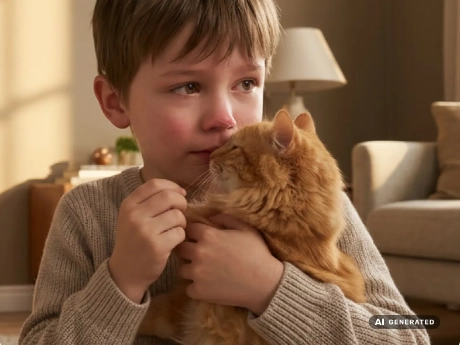
Airborne Pollen Allergies: Pollen allergies are triggered when children inhale tiny pollen grains released by trees, grasses, and weeds. These grains, which are lightweight and windborne, can enter the eyes, nose, and lungs, causing symptoms like sneezing and itchy eyes.1
Contact Plant Allergies: Contact allergies, also known as allergic contact dermatitis, occur when a child’s skin comes into direct contact with plant sap, oils, or other compounds. Plants like poison ivy or certain houseplants can cause rashes, itching, and swelling. Symptoms may appear hours or even days after exposure and can sometimes spread beyond the initial contact area.2
It’s important to note that pollen allergies and contact allergies are distinct conditions, each requiring different management approaches.
Which plants commonly cause allergies in children?
Certain plants are more likely to trigger allergic reactions in children than others. These reactions generally fall into two broad categories, depending on how the plant comes into contact with the body and how the immune system responds:
Airborne pollen-producing plants
|
TYPE |
TIMING |
PLANTS |
| Tree pollen | Tree pollen allergies in children are typically the first to emerge each year in the United States, with the onset of early spring allergy symptoms. The tree pollen season can also overlap with grass pollen as the weather warms. While trees across the country generally release the most pollen from February through April, regional climates play a significant role. In the South, for example, trees may begin producing pollen as early as December or January, occasionally leading to multiple peak times throughout the year. | Alder
Ash Aspen Beech Birch Box elder Cedar Cottonwood Elm Hickory Juniper Maple Mulberry Oak Olive Pecan Poplar Walnut Willow |
|
Grass pollen |
Grass pollen is another significant contributor to seasonal allergy symptoms, particularly during late spring and summer. For those allergic to grass pollen, geography can play a meaningful role in when and how often symptoms appear. While grass pollen tends to peak between April and early June across much of the country, warmer regions, such as California, Texas, and the South, may see grass pollen present throughout the year. Although hundreds of grass varieties exist, only a small number are known to trigger allergic responses. | Bahia
Bermuda Fescue Johnson Kentucky blue Orchard Rye Sweet vernal Timothy |
| Weed pollen | Weed allergy symptoms in kids, particularly from ragweed, are another frequent source of seasonal discomfort. This type of pollen typically emerges during the late summer and fall months. Ragweed itself is an adaptable plant that often thrives in soil disturbed by human activity. Because its light pollen grains can travel hundreds of miles through the air, completely avoiding exposure can be a significant challenge. | Burning bush
Cocklebur Lamb’s-quarters Mugwort Pigweed Ragweed Russian thistle Sagebrush Tumbleweed |
It is worth noting that brightly colored flowers are rarely responsible for triggering allergic reactions. Their pollen tends to be heavier and is typically carried by insects rather than the wind, making it far less likely to be inhaled.1
Contact-reactive plants
Both outdoor and indoor plants can cause contact reactions. Common examples include Poison Ivy, Poison Oak, and Poison Sumac.2
Symptoms of plant allergies in children
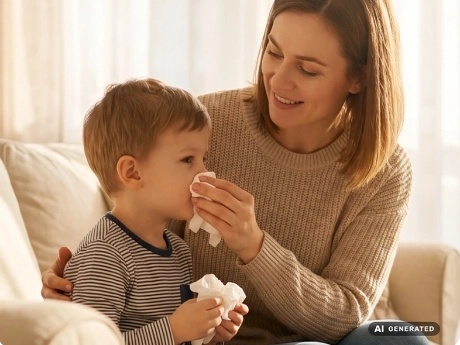
When children are allergic to plants, the symptoms can vary from person to person, depending on the type of exposure. Plant allergy symptoms caused by airborne allergies, such as pollen, tend to affect the respiratory system, leading to issues like sneezing, nasal congestion, and itchy or watery eyes.1 On the other hand, signs of contact-based plant allergies in kids–that result from direct skin exposure to irritants or allergens found in certain plants—include localized redness, rashes, or itching.2 Understanding the nature of the exposure is key to identifying and managing your child’s allergic reaction to plants.
Pollen allergy symptoms
Symptoms of pollen allergies are often seasonal and include:
Runny or stuffy nose
Sneezing
Itchy or watery eyes
Postnasal drip
Fatigue or poor sleep due to congestion1
Contact allergy symptoms
Touching the leaves or sap of certain plants may lead to skin irritation, commonly known as dermatitis. Contact with allergenic plants can result in:
How do plant allergy symptoms differ in children vs adults?
While physical symptoms of pollen and contact plant allergies can look similar in both children and adults, plant allergy symptoms in children can manifest differently. Here are a few things to bear in mind:
- Since young children often cannot describe their discomfort, parents should observe behavioral changes. These may include irritability, difficulty sleeping, a sudden reluctance to play outside, and frequent eye rubbing.3
- Children frequently touch their faces after touching plants, which can increase the risk of spreading the reaction to the sensitive areas around their eyes and mouth.
- The skin of younger children is often more sensitive to environmental irritants, which means their physical reactions can appear much more pronounced than those in adults.4
- Parents and caregivers frequently mistake pediatric allergy symptoms for a common cold or an unrelated skin rash.3

Is it a plant allergy, a cold, or something else?
Distinguishing plant-related allergies from other common childhood conditions, such as a typical cold, can often be challenging for parents and caregivers. Gently understanding these differences can help you provide the right support for your child. Here are some key distinctions to look for:
Inhalant Allergies: These symptoms, which include sneezing and itchy eyes, tend to persist for as long as the child is exposed to the pollen season. They are usually characterized by clear nasal discharge, and they do not involve a fever.
Common Colds: A typical cold usually resolves relatively quickly, often within one or two weeks. Unlike allergies, a cold may also bring a fever, throat discomfort, or general fatigue.5
Contact Dermatitis: If your child has touched an irritating plant, the resulting skin rash often appears in distinct physical patterns, such as linear streaks or spattered marks, and may involve blistering, itching, or scaling.6
Managing plant allergies in children
Helping children manage plant allergies starts with understanding the specific trigger. While some allergies may only require simple avoidance, others might need careful, consistent symptom management. Identifying whether the allergy stems from pollen, direct contact with a plant, or another environmental source can help guide your approach. For persistent or severe symptoms, consult your doctor or pharmacist to ensure personalized advice and care.
Managing pollen plant allergies
Reducing exposure to pollen can make a meaningful difference in how children feel day to day. Practical steps to consider include:
Monitoring local pollen counts and limiting outdoor activities during peak pollen times, such as dry, windy days when pollen spreads more easily.
Keeping windows closed during high-pollen periods and using air purifiers with HEPA filters to help maintain cleaner indoor air.
Encouraging children to shower and change clothes after outdoor play, which may help reduce the amount of pollen carried inside.
Speaking with a doctor or pharmacist about whether over-the-counter antihistamines may be appropriate for managing symptoms, and following their guidance on use.1
Children’s Xyzal® Allergy 24HR offers over 24-hours of sustained symptom control for seasonal allergies–to help your little ones feel more comfortable.
Managing contact plant allergies
Reducing contact with reactive plants can make a meaningful difference. A few practical steps may help:
Teaching children to recognize and avoid common allergenic plants.
Dressing them in long sleeves and pants when spending time in wooded or heavily vegetated areas.
Using an antihistamine to ease itching and discomfort.2
When to see a doctor
There are certain situations where it is important to reach out to a healthcare professional for guidance. Consider seeking medical advice if:
Symptoms affect a large area or sensitive regions like the eyes.
There are signs of infection, such as increased redness or swelling.
Symptoms worsen or new ones develop.
Call 911 if your child has difficulty breathing after exposure 7
FAQs about plant allergies in children
How do I know if my child is allergic to plants?
It is often helpful to gently observe your child for potential signs of pollen allergies, such as sneezing, congestion, and watery eyes.1
Can children be allergic to indoor plants?
Yes, indoor plant allergy symptoms are common. House plants, including peace lilies, can sometimes trigger allergic reactions in children. These sensitivities may show up as skin irritation after touching the plant, or as mild respiratory symptoms from breathing in airborne particles. You might notice your child is sneezing, has a runny nose, or is itching their eyes. Simply paying attention to how your child feels around indoor greenery can help you keep their environment comfortable.2
What plants are children most commonly allergic to?
The most common pollen allergies are seasonal, with their cycles overlapping to persist through late winter into fall. They include:
Tree pollen
Grass pollen
Weed pollen1
Can children grow out of plant allergies?
Whether a child outgrows a plant allergy depends on several factors, including the type of allergy and how their immune system matures over time. Some allergies do tend to ease as children get older, though environmental allergies, such as those triggered by pollen, are less likely to resolve completely. That said, symptoms may become more manageable with age or respond more effectively to treatment.8
How do I manage my child’s plant allergy at home?
Managing your child's plant allergy starts with identifying the specific trigger, whether it's pollen, direct contact, or another environmental factor. Practical steps, such as monitoring pollen counts, limiting outdoor exposure during peak times, and washing skin thoroughly after contact, may help reduce symptoms. For persistent or more severe reactions, consulting a doctor or pharmacist is a sensible next step.
Using antihistamines, such as Children’s Xyzal® Allergy 24HR, can help to relieve pollen allergy symptoms in children.
Sources:
- Asthma and Allergy Foundation of America (AAFA). Pollen allergy [Internet]. Arlington (VA): Asthma and Allergy Foundation of America; 2024 Sep [cited 2026 May 27]. Available from: https://aafa.org/allergies/types-of-allergies/pollen-allergy
- Children's Hospital of Philadelphia (CHOP). Plants that irritate [Internet]. Philadelphia (PA): Children's Hospital of Philadelphia; [cited 2026 May 27]. Available from: https://www.chop.edu/centers-programs/poison-control-center/plants-irritate
- Ann & Robert H. Lurie Children's Hospital of Chicago. Understanding and managing fall allergies in kids [Internet]. Chicago (IL): Ann & Robert H. Lurie Children's Hospital of Chicago; 2024 Nov 7 [cited 2026 May 27]. Available from: https://www.luriechildrens.org/en/blog/understanding-and-managing-fall-allergies-in-kids
- Jacob SE, Herro EM, Sullivan K, Matiz C, Eichenfield LF, Hamann C. Contact dermatitis in children. Pediatr Ann [Internet]. 2010 Jan;39(1):40-47 [cited 2026 May 27]. Available from: https://pmc.ncbi.nlm.nih.gov/articles/PMC2828457
- Children's Health. Allergies vs. colds in children [Internet]. Dallas (TX): Children's Health; 2019 Feb 14 [updated 2025 Feb 12; cited 2026 May 27]. Available from: https://www.childrens.com/health-wellness/allergies-vs-colds-in-children
- DermNet New Zealand Trust. Plant dermatitis [Internet]. Auckland (NZ): DermNet New Zealand Trust; 2021 Oct [cited 2026 May 27]. Available from: https://dermnetnz.org/topics/plant-dermatitis
- Stanford Medicine Children's Health. Contact dermatitis in children [Internet]. Palo Alto (CA): Stanford Medicine Children's Health; [cited 2026 May 27]. Available from: https://www.stanfordchildrens.org/en/topic/default?id=contact-dermatitis-in-children-90-P01679
- WinnMed. Can you outgrow allergies? [Internet]. Decorah (IA): WinnMed; 2025 Sep 22 [cited 2026 May 27]. Available from: https://winnmed.org/news/outgrowing-allergies
Our Products
Xyzal® relieves tough allergy symptoms such as sneezing, itchy eyes, watery eyes, runny nose, itchy nose, and itchy throat. Take it at night for 24 hours of continuous allergy relief that won’t fade into the next day.
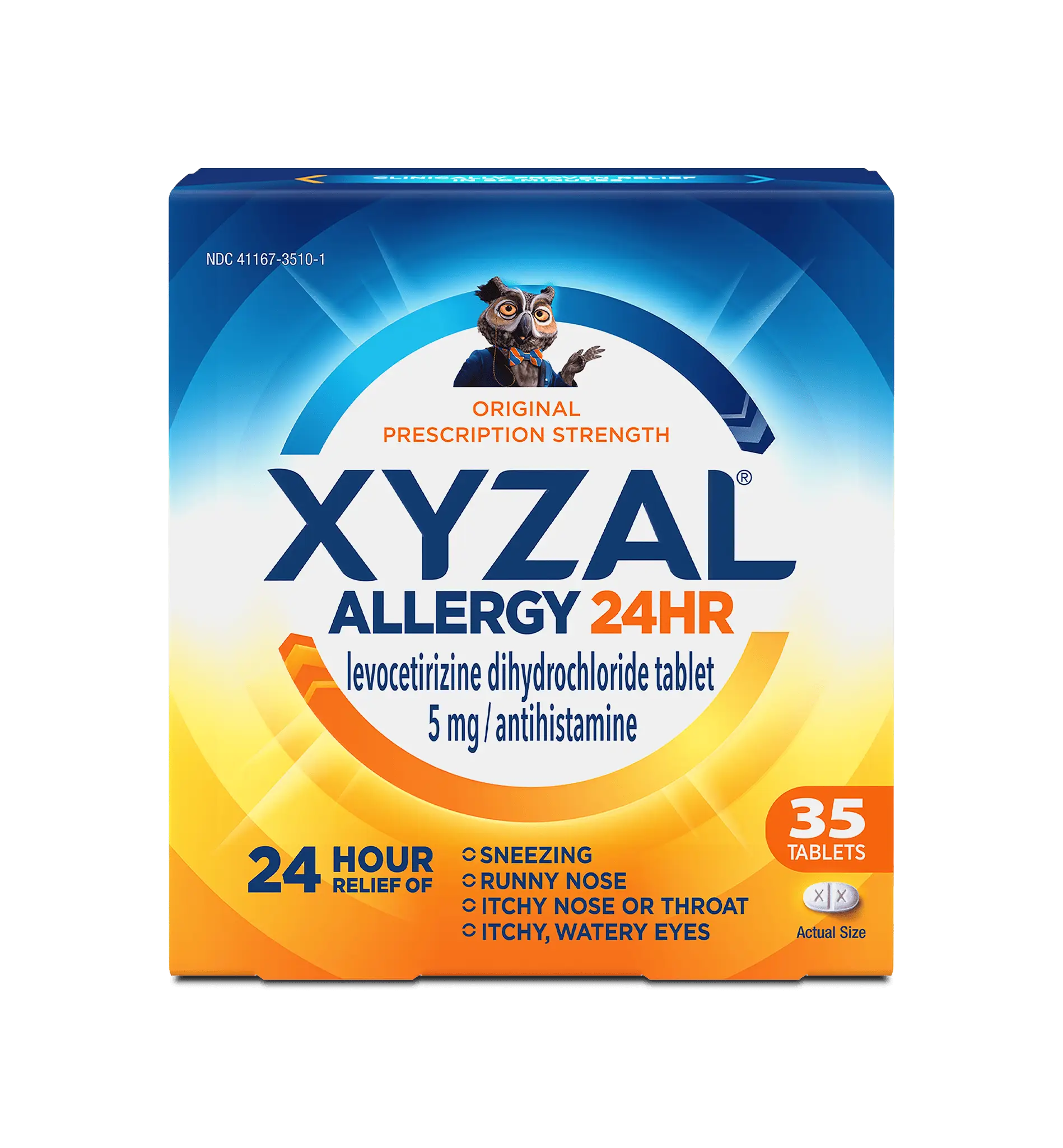
Xyzal® Allergy 24HR
- FOR ADULTS
- HSA/FSA Eligible
Take Xyzal® at night for 24 hours of continuous adult allergy relief that won't fade. Powerful allergy relief that's just as effective at hour 24 as at hour 1.
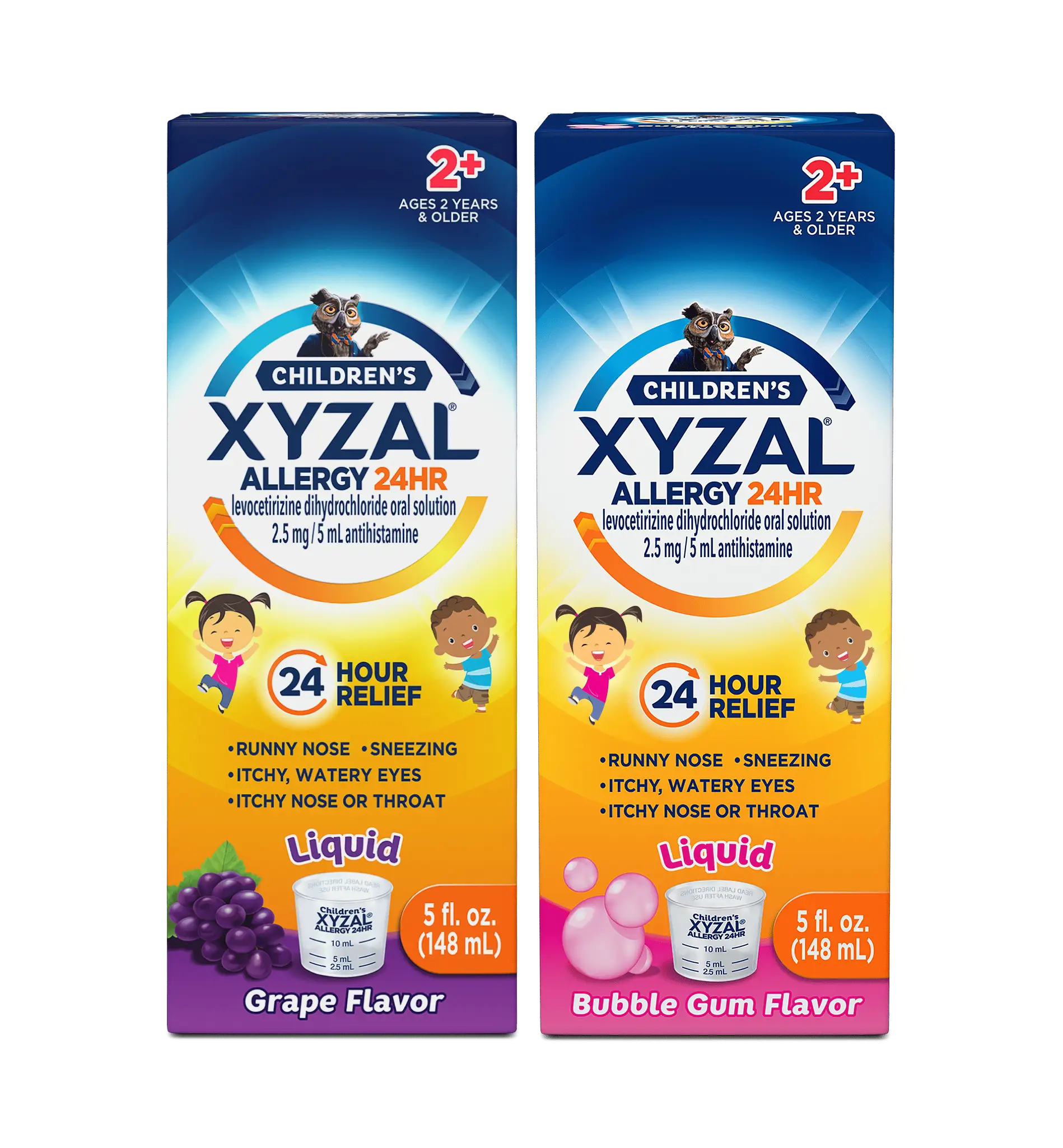
Children’s Xyzal® Allergy 24HR
- FOR CHILDREN
- HSA/FSA Eligible
Help relieve kids’ allergies and give them 24 hours of continuous allergy relief with Children’s Xyzal® Allergy 24HR. This childrens’ allergy medicine works to relieve symptoms like sneezing, itchy eyes, watery eyes, runny nose, itchy nose, and itchy throat.
About Allergies
Learn how to get relief for allergies.