Pet allergies in children
In this page you will find information about:
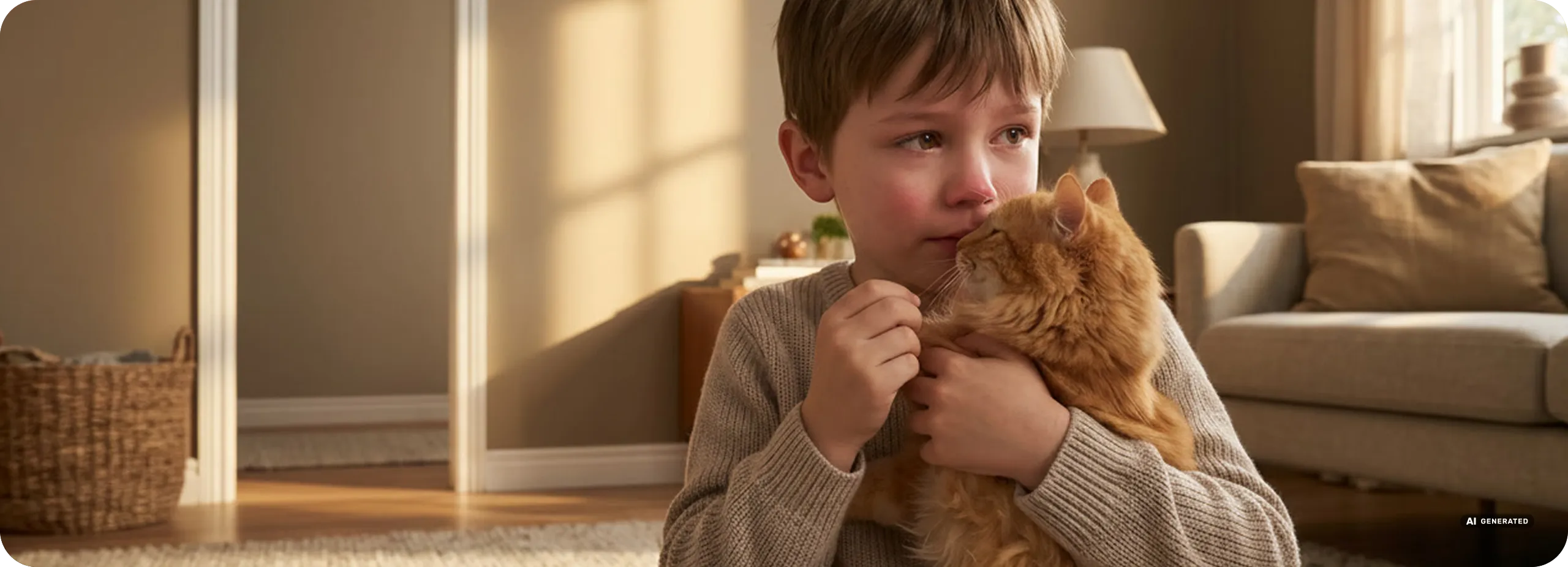
Pets bring joy and companionship to families, but for children with pet allergies, interactions with furry friends can lead to sneezing, itchy eyes, and other uncomfortable symptoms. Recognizing kids' allergy symptoms will help you to make decisions about your pets and family. As well as exploring pet allergy symptoms, this article will discuss allergy medicine for kids and practical ways to reduce allergen exposure around the house.
What causes pet allergies in children?
Pet allergies are triggered by proteins found in pet dander, saliva, and urine—not the fur itself. Dander, which consists of tiny flakes of dead skin, is the most common culprit. These proteins are harmless to most people, but in children with allergies, their immune systems mistakenly identify them as harmful invaders, leading to an allergic reaction.
It’s important to note that no breed of furry pet is truly hypoallergenic. While some breeds may shed less fur, studies confirm that all furry animals produce allergens. Cats and dogs are the most common sources of pet allergens.1
Pet allergy symptoms in children
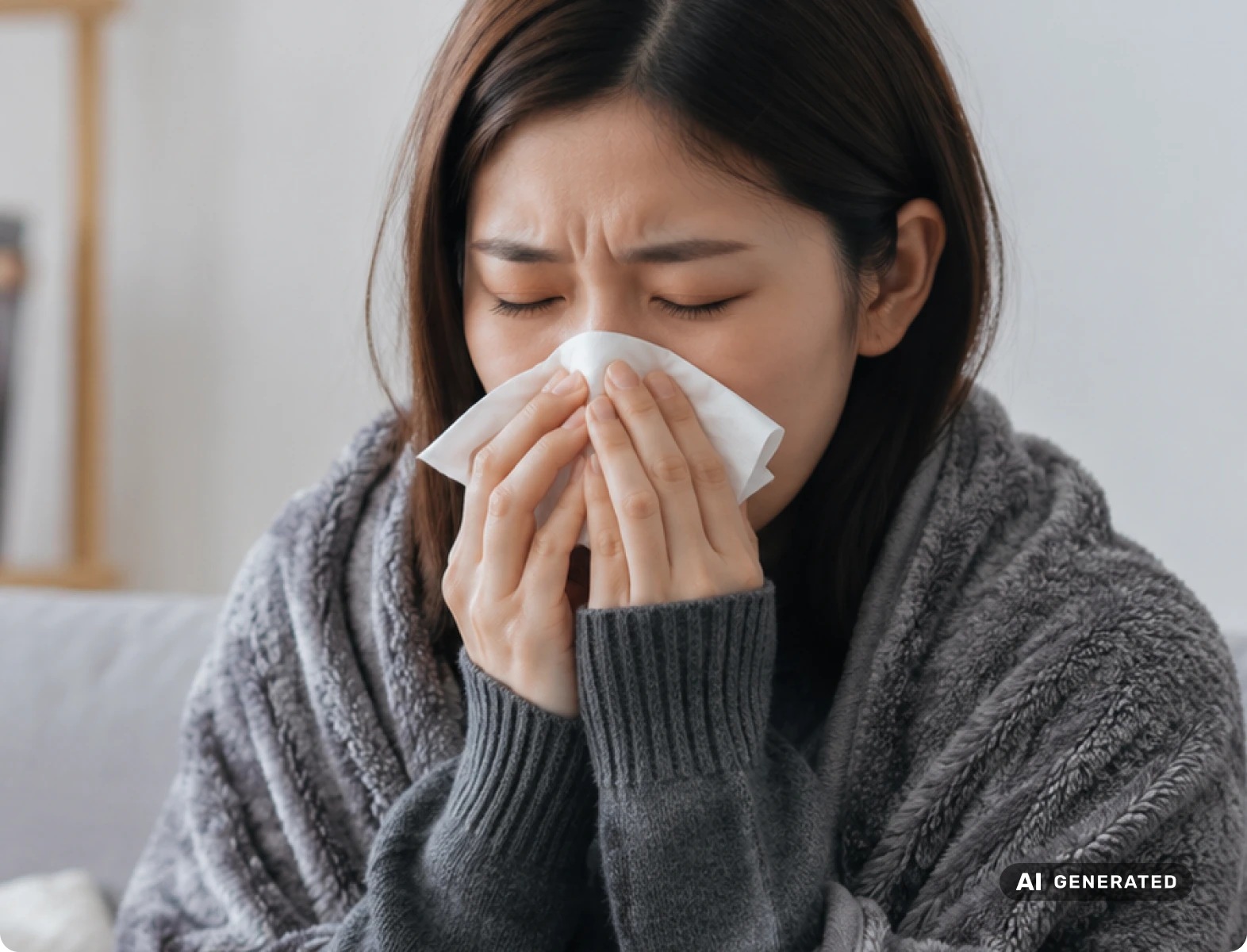
When a child has a pet allergy, their body may react in several ways. These reactions can range from mild to more severe, and they might not always appear immediately after contact with an animal. Common kids allergy symptoms to watch for include:
- Sneezing
- Runny or stuffy nose
- Watery, itchy eyes
- Itchy skin or hives
- Itchy nose, mouth, or throat2
How do I know if my child has a pet allergy?
Distinguishing between a cold and pet allergy symptoms in children can be tricky, as many symptoms overlap. The key differences often lie in their duration and the presence of specific signs like itching or fever.
Colds are caused by viruses and typically resolve within a week or two. Allergies, however, are an immune system response to allergen exposure and can persist as long as the child is exposed to the trigger.3
| Cold symptoms | Allergy symptoms |
| Common colds usually last between 7-10 days. | Allergies symptoms often last longer than two weeks (as long as there is allergen exposure). |
| Colds often cause a fever, while allergies do not cause a fever. | Allergies cause itching of the eyes, nose or skin, while a cold does not cause itching. |
| A sore throat is a more common sign of a cold than of an allergy. | Allergy symptoms often follow a pattern. For instance, they might worsen around specific animals or resolve with time away from them. |
If you suspect your child has a pet allergy, it is best to consult a pediatrician or an allergist for a confirmed diagnosis.
Can children outgrow pet allergies?
While some children may experience reduced sensitivity over time, pet allergies are often lifelong, particularly allergies to cats. Managing symptoms through reduced exposure and appropriate treatment is usually more effective than waiting for the allergy to resolve on its own.2

How to manage pet allergies in children
Management of pet allergies can help create a more comfortable environment for your child—this often involves a two-part approach: reducing your child's allergen exposure at home and using an appropriate allergy medication. Combining these strategies may provide more consistent relief.
Reducing pet allergen exposure at home
Here are several practical steps you can take to help minimize your child’s exposure to pet allergens in your home:
- Designate your child’s bedroom as a pet-free zone.
- Run a HEPA air purifier in common spaces, like the living room.
- Vacuum carpets and furniture often using a vacuum with a HEPA filter.
- Bathe your pet once a week, if they are comfortable with it.
- Encourage your child to wash their hands and face after contact with pets.
- Use allergen-proof covers on mattresses and pillows.1
Allergy medicine for children with pet allergies
For managing children's allergy symptoms, second-generation antihistamines are often a recommended starting point. They are designed to relieve symptoms effectively but with a lower risk of causing the drowsiness that is often associated with first-generation antihistamines. This makes them a more suitable option for daytime use, helping children stay alert at school and during play. As with any medication, it is important to consult with a doctor or pharmacist before starting a new treatment to ensure it is appropriate for your child.4
Children’s Xyzal® 24-hour allergy relief is a second-generation antihistamine that provides effective relief from pet allergy symptoms in children.
Children's Xyzal dosing for pet allergy relief
Children 6–11 years old: Take 5 mL once daily in the evening. Do not exceed 5 mL in 24 hours.
-
Children 2–5 years old: Take 2.5 mL once daily in the evening. Do not exceed 2.5 mL in 24 hours.
-
Children under 2 years old: Do not use.
-
Adults and children 12-64 years old: Take 5 mL or 10 mL once daily in the evening depending upon severity of symptoms. Do not take more than 10 mL in 24 hours
Always follow the label instructions and consult a healthcare provider before use.
When to see a doctor
If your child’s symptoms persist, worsen, or significantly impact their quality of life, it’s essential to consult a healthcare provider. Persistent symptoms that don’t resemble a common cold may require further evaluation and treatment.1
FAQs about pet allergies in children
- A runny nose
- Sneezing
- Watery, itchy, or red eyes
- An itchy nose, mouth, or throat
- Itchy skin or hives2
- Free of alcohol, sugar and dyes
- Comes in kid-friendly bubble-gum and grape flavors
- Lasts up to 6 times longer than Benadryl*
While pet allergies can technically develop at any time, even during infancy, symptoms may not become noticeable until a child is one or two years old. This is because it often takes some time for a child's immune system to become sensitized to allergens and produce a reaction.5
If your child exhibits symptoms like sneezing, runny nose, or itchy eyes when around your pet, it’s worth investigating further. Allergy testing can confirm whether your child is allergic to cats, dogs, or other animals.2
Children with pet allergies may experience a range of symptoms after being near an animal or its dander. Common signs might include:
When choosing allergy medicine for kids, second-generation, less-sedating antihistamines are generally safe and effective. Always check with your doctor or pharmacist and follow dosage instructions carefully.4
Yes, Children's Xyzal helps with pet allergies. Give Children’s XYZAL® at night for continuous 24-hour allergy relief that lasts through school, play, and bedtime without wearing off.
*Based on label dosing
Daily use of children’s allergy medicine may be appropriate for managing pet allergies, but always consult a healthcare provider for guidance on long-term use.
Sources:
- Cleveland Clinic. Pet allergies: causes, symptoms, treatment & prevention [Internet]. Cleveland (OH): Cleveland Clinic; 2025 May 21 [cited 2026 May 27]. Available from: https://my.clevelandclinic.org/health/diseases/17702-pet-allergies#management-and-treatment
- Nemours KidsHealth. Pet allergies in children [Internet]. Jacksonville (FL): Nemours Children's Health; 2026 Jan [cited 2026 May 27]. Available from: https://kidshealth.org/en/parents/asthma-pet.html
- OSF HealthCare. Is it allergies or a cold? How to tell the difference in your child [Internet]. Peoria (IL): OSF HealthCare; 2024 Apr 16 [cited 2026 May 27]. Available from: https://www.osfhealthcare.org/blog/child-allergies-cold
- Medsafe. Children and sedating antihistamines. Prescriber Update [Internet]. 2013 Mar;34(1):11-12 [cited 2026 May 27]. Available from: https://www.medsafe.govt.nz/profs/puarticles/mar2013childrenandsedatingantihistamines.htm
- BabyCenter Editorial Team. Pet allergies in children [Internet]. San Francisco (CA): BabyCenter LLC; 2024 Feb 8 [cited 2026 May 27]. Available from: https://www.babycenter.com/health/conditions/pet-allergies_1227639
Our Products
Xyzal® relieves tough allergy symptoms such as sneezing, itchy eyes, watery eyes, runny nose, itchy nose, and itchy throat. Take it at night for 24 hours of continuous allergy relief that won’t fade into the next day.
Xyzal® Allergy 24HR
Take Xyzal at night for 24 hours of continuous adult allergy relief that won't fade. Powerful allergy relief that's just as effective at hour 24 as at hour 1.
About Allergies
Learn how to get relief for allergies.